The Singularity’s Guide To Creating Strong Passwords And Keeping Them Secure

strong passwords and password security

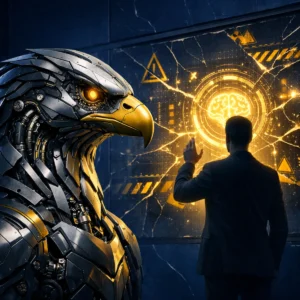
In the EagleEyeT ecosystem, The Singularity exists to observe, protect, and warn. One of the most common weaknesses it sees, again and again, is poor password hygiene.

Despite advances in biometrics, hardware keys, and Zero Trust models, passwords are still everywhere:

  • Admin panels.
  • Cloud platforms.
  • Email accounts.
  • VPNs.
  • Git repositories.
  • Backup systems.

A single weak password can unravel an entire security posture.

This post is The Singularity’s clear, no nonsense guide to:

  • Creating strong passwords.
  • Understanding why most passwords fail.
  • Keeping credentials secure long term.

The Singularity's Perspective As To Why Passwords Fail

From above, patterns are easy to spot.

Most compromised passwords fall into one of these categories:

  • Reused across multiple services.
  • Too short.
  • Predictable (names, dates, patterns)
  • Stored insecurely.
  • Never rotated after a breach.

Attackers don’t “guess” passwords anymore, they replay leaked ones at scale.

This is why password uniqueness matters more than cleverness.

Wha Actually Makes A Strong Password

Length Beats Complexity

The Singularity values entropy, not frustration.

A strong password should be:

  • 14-20+ characters.
  • Unique per service.
  • Random or passphrased based

Good Example:

				
					orbit-signal-vault-ember-93


Bad Example:

				
					P@ssw0rd123!


The second looks complex, but its predictable and widely cracked.

Passphrases: The Human Friendly Solution

A passphrase is:

  • Long.
  • Easy to remember.
  • Hard to brute force.

Example:

				
					silent-hawk-observes-the-network-at-dawn


This is:

  • Easier to remember.
  • Much harder to crack.
  • Resistant to dictionary attacks.

The Singularity strongly prefers passphrases for human managed credentials.

Never Reuse Passwords - Ever

From a systems perspective, password reuse is catastrophic coupling.

If one service is breached:

  • Attackers try the same password everywhere else.
  • Email accounts fall first.
  • Then password resets cascade.

One password = one service. No exceptions.

Password Managers Are Not Optional Anymore

The Singularity does not expect humans to memorize hundreds of passwords.

That’s what password managers are for.

A good password manager:

  • Generate strong, random passwords.
  • Stores them encrypted.
  • Auto fills securely.
  • Syncs safely across devices.

Without one, strong password practices simply don’t scale.

How To Protect Your Passwords Long Term

Enable Multi Factor Authentication (MFA)

Passwords alone are no longer sufficient.

Whenever possible, enable:

  • App based MFA.
  • Hardware security keys.
  • Passkeys (where supported).

MFA turns a stolen password into a dead end.

Keep Credentials Out Of Plain Text

Never store passwords in:

  • Notes apps.
  • Text files.
  • Emails.
  • Screenshots.
  • Chat logs.

If The Singularity sees credentials in plain text, it already knows how this ends.

Assume Breaches Will Happen

Modern security assumes compromise and designs around it.

Best practice:

  • Monitor breach notifications.
  • Rotate passwords after exposure.
  • Use unique passwords so damage is contained.

The Singularity's Core Rules For Password Security

If you remember nothing else, remember these:

  1. Long beats clever.
  2. Unique beats memorable.
  3. Managers beat memory.
  4. MFA beats passwords alone.
  5. Assume exposure, limit blast radius.

This is how systems survive at scale.

Final Thoughts: Security Is A Habit, Not A tool

The Singularity doesn’t believe in silver bullets.

Strong passwords aren’t about fear, but discipline:

  • Small habits.
  • Repeated consistently.
  • Across every system you tough.

In a connected world, your password is often the first and last line of defense.

Make it count.

Call To Action

If you found this guide useful:

  • Review your existing passwords today.
  • Start using a password manager if you aren’t already.
  • Enable MFA on every critical account

Leave your thoughts and comments down below and if you want more practical security guidance, follow EagleEyeT.

Remember The Singularity is always watching.

Leave a Reply

Your email address will not be published. Required fields are marked *

This site uses Akismet to reduce spam. Learn how your comment data is processed.